Air-jet vs rotor spinning in 2026: where each still wins
When the payback math works, when it doesn't, and the mill sizes where an autolevelling draw frame pays back inside 14 months.

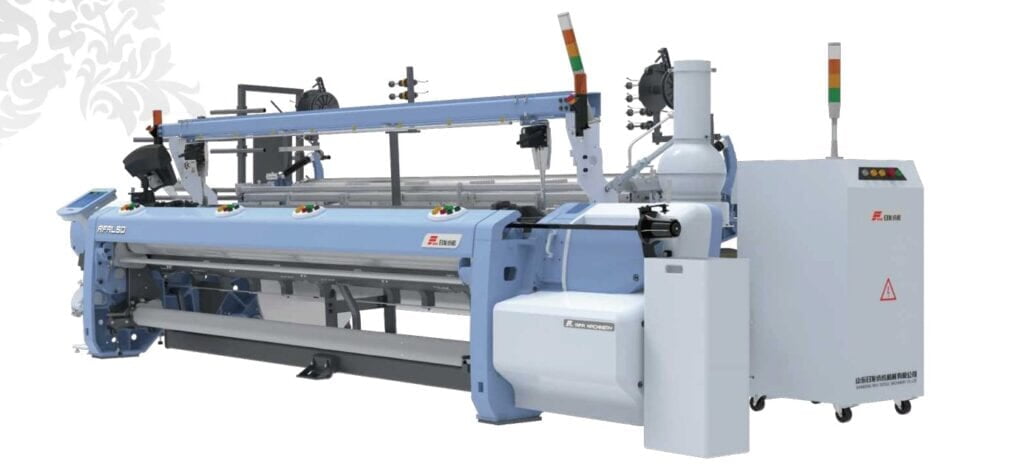
In today's competitive textile industry, manufacturers are constantly looking for ways to increase production, reduce operational costs, and deliver superior fabric quality. Traditional weaving methods often struggle to meet the growing demand for speed, consistency, and efficiency. This is where Air Jet Loom machines have become a game-changing solution. Using advanced air-powered weft insertion technology, Air Jet Looms enable manufacturers to produce high-quality fabrics at exceptional speeds while maintaining precision and reducing maintenance requirements. From apparel and home textiles to denim and industrial fabrics, these machines are helping textile mills achieve higher productivity with lower operating costs.
Key Benefits of Air Jet Loom Machines
Exceptional Production Speed
Air Jet Looms can operate at speeds of up to 1200 RPM, enabling manufacturers to produce significantly more fabric in less time. This increased efficiency helps businesses meet high-volume production demands without compromising quality.
Superior Fabric Quality
With precise electronic controls and intelligent weft insertion, Air Jet Looms deliver uniform weaving tension and consistent fabric structure. The result is high-quality textiles with fewer weaving defects and improved finishing.
Energy-Efficient Operation
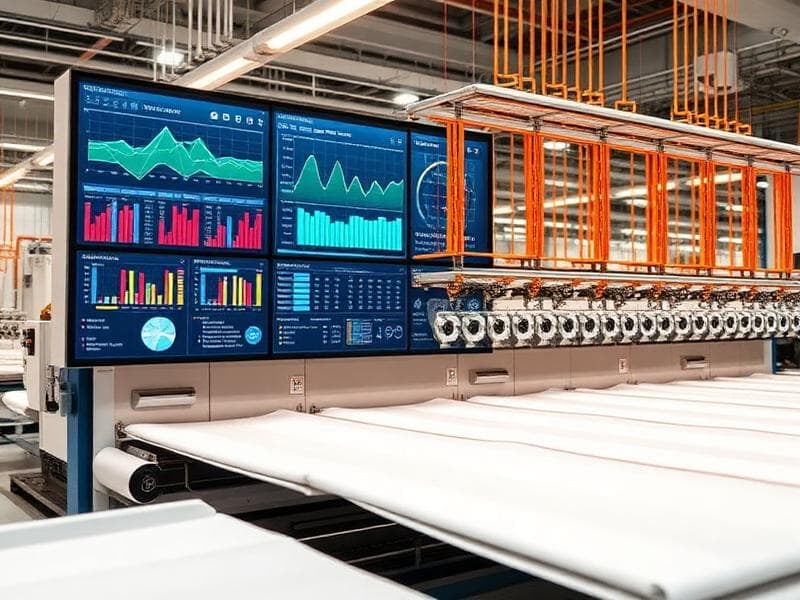
Modern Air Jet Looms are equipped with energy-saving servo motors, optimized air consumption systems, and intelligent automation features that reduce power usage while maximizing overall machine performance.
Reduced Maintenance
Automatic lubrication systems, durable machine components, and advanced monitoring technology minimize downtime and lower maintenance costs. Manufacturers benefit from increased machine availability and longer equipment life.